“We denken ook op locatie met onze klanten mee”
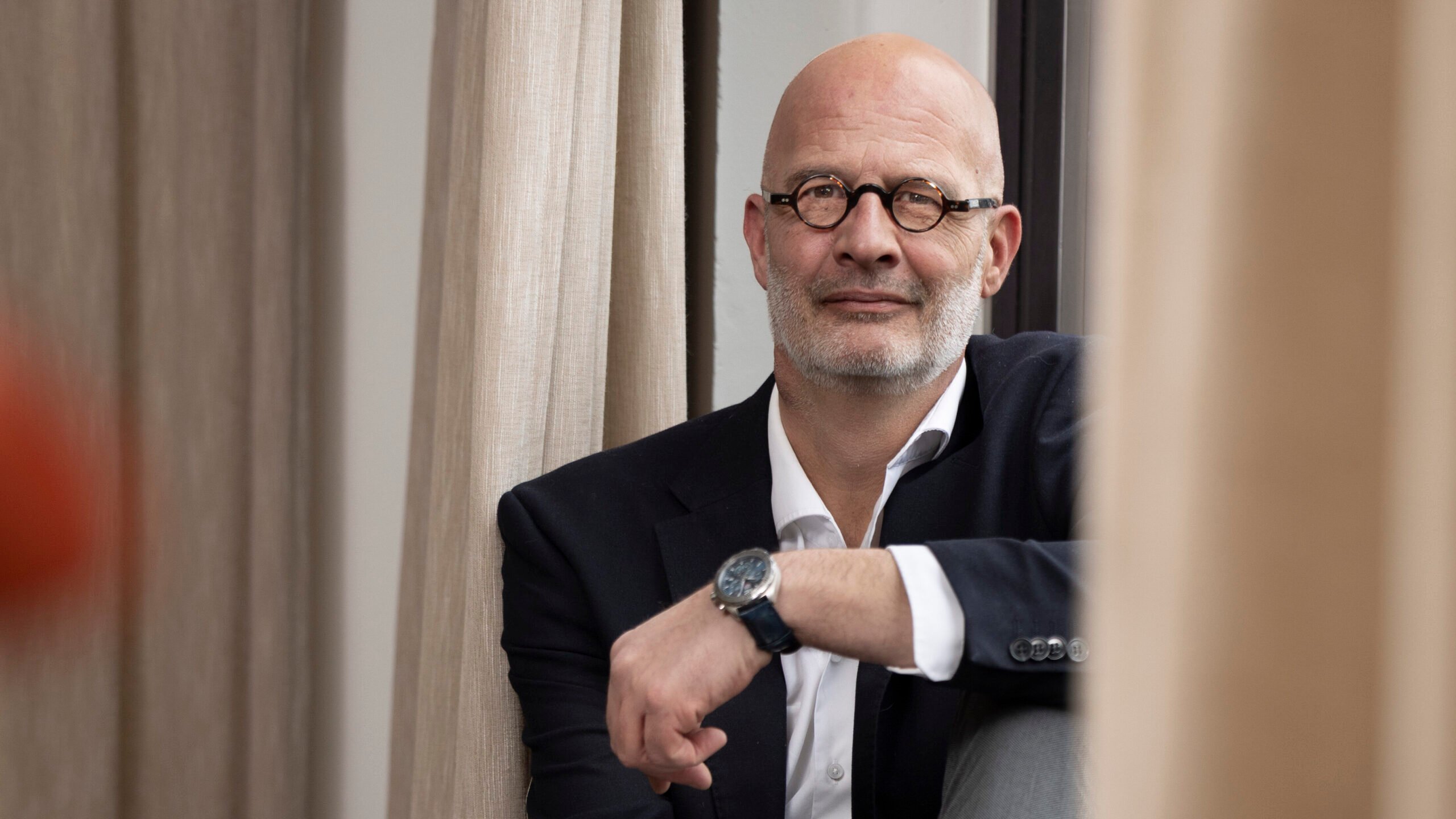
Met de invoering van de gelijkwaardige beloning is er voor uitzenders een nieuwe realiteit ontstaan, zo ook voor Flexspecialisten. Uitzendkrachten en medewerkers in vaste dienst moeten immers gelijkwaardig worden beloond. Volgens Gerben, Operationeel Directeur, vraagt dat om een andere manier van kijken, maar zorgen maakt hij zich niet.
“Onze manier van werken helpt opdrachtgevers om goed met deze nieuwe situatie om te gaan. We zijn vorig jaar al vóór de zomer begonnen met de voorbereidingen. Die tijd hadden we ook echt nodig.”
Een voordeel daarbij was dat Gerben namens Flexspecialisten deel uitmaakte van de klankbordgroep Gelijkwaardige Beloning van de ABU. Daardoor konden we al vroeg meedenken over de ontwikkelingen. Wij zijn inmiddels meer dan dertig jaar actief in het uitzenden van arbeidskrachten. Een groot deel van onze medewerkers werven we in Oost-Europa. “De meeste mensen komen uit Polen, gevolgd door Roemenië en Litouwen. In die landen hebben we zes eigen kantoren waar we gericht voor onze klanten werven. Dat onderscheidt ons van veel andere partijen in de markt.”
Voor iedere opdrachtgever zoeken we de juiste match. “We bereiden onze mensen goed voor. Ze weten precies waar ze terechtkomen en wat het werk inhoudt. We begeleiden het hele traject: van recruitment en voorbereiding tot vervoer en huisvesting in Nederland. Ook zaken zoals het aanvragen van een BSN-nummer en het regelen van de zorgverzekering nemen we uit handen.”
Geen cowboys
Voor Gerben staat één ding altijd voorop: dat onze medewerkers zich goed voelen en goed worden opgevangen in Nederland. “Soms verlaten mensen alleen met een koffer hun huis en familie om hier te komen werken. Probeer je eens voor te stellen hoe dat voelt. Daarom doen wij er alles aan om hen goed te begeleiden.”
Onze huisvesting hebben we daarom in eigen beheer geregeld en onze certificeringen zijn op orde. “Ik heb echt een broertje dood aan cowboys in onze branche. Partijen die het niet zo nauw nemen met de regels en uit zijn op snel gewin, met slechte woon- en leefomstandigheden als gevolg. Daar passen wij nadrukkelijk voor. Onze mensen staan op de eerste plaats.”
Logistiek
Onze medewerkers werken veel in productieomgevingen binnen food- en non-foodbedrijven, e-commerce, logistiek en retail. Denk aan organisaties zoals Jumbo of HEMA, waar zij vooral actief zijn in de warehouses.
“We voorzien onze klanten eigenlijk op twee manieren in hun behoefte,” legt Gerben uit. “Enerzijds gaat het om productiewerk: extra handen. Denk aan lopende bandwerk, orderpicking of inpakwerk. Werk waarvoor in Nederland nauwelijks nog mensen te vinden zijn.” De schaal van dit werk is enorm. “De aantallen medewerkers die hiervoor nodig zijn, zijn gigantisch. Als deze sector één dag stilvalt, ligt Nederland de dag erna praktisch stil. In totaal gaat het om meer dan een miljoen mensen die dit werk doen.”
Ook op mbo-niveau
Onze mensen werken niet alleen als orderpicker of aan de lopende band. “We zetten onze mensen ook in op andere functieniveaus. Bijvoorbeeld als operators van machines. Zij beschikken over de kennis en vaardigheden om in zo’n bedrijfsomgeving te werken.” Ook in dit segment groeit de vraag. “Ook deze groep is in Nederland steeds moeilijker te vinden. Veel mensen verdienen hun boterham tegenwoordig ergens anders.”
Monitoring
Onze toegevoegde waarde zit vooral in het maken van de juiste match tussen de vraag van de klant en het aanbod van personeel. “Wij werven altijd specifiek voor een bepaalde klant.” Daarbij maken we gebruik van ons eigen monitoringsysteem: FlexTrack. “In FlexTrack houden we allerlei informatie bij: iemands opleiding, achtergrond en hoe het met iemand gaat, maar ook productienormen en beoordelingsvragen.”
Maar het systeem gaat verder dan alleen prestaties. “We registreren ook iemands wensen en toekomstbeeld. Wat wil iemand en hoe kunnen wij helpen? Door dat goed bij te houden kunnen we onze mensen de begeleiding geven die ze nodig hebben. En daar profiteert de klant van, omdat er een gemotiveerde medewerker op de juiste plek staat.”
Vraagbaak
Bij al onze klanten zijn Flex Support-medewerkers aanwezig. “Zij fungeren als vraagbaak voor onze medewerkers. Ze kijken hoe het op de werkplek gaat, maken capaciteitsinschattingen en beantwoorden vragen.” Op die manier ondersteunen we ook onze opdrachtgevers. “We gaan daarin een stap verder dan veel andere partijen. Op locaties waar grotere aantallen mensen werken, hebben we vaak ook één of twee inhouse intercedenten. Zij verzorgen bijvoorbeeld de dagelijkse planning en zorgen dat er snel geschakeld kan worden wanneer dat nodig is.”
Meedenken op locatie
Sinds dit jaar is de gelijkwaardige beloning daadwerkelijk ingevoerd. “Voor onze mensen is dat goed nieuws,” zegt Gerben. “Maar voor opdrachtgevers betekent het vaak wel hogere kosten.” Daarom kijken we samen met onze klanten naar oplossingen. “We helpen onze klanten om hun weg te vinden in dit nieuwe kostenlandschap. Onze manier van werken, waarbij we letterlijk op locatie aanwezig zijn, helpt daarbij enorm.”
Doordat we dicht op de operatie zitten, kunnen we actief meedenken. “Zo wijzen we bijvoorbeeld op de mogelijkheid van een vierdaagse in plaats van een vijfdaagse werkweek, met behoud van uren. Dan is de basis er, maar kan de klant medewerkers nog drie dagen flexibel inhuren.” Dat is precies waar het om draait. “Wij denken graag mee met onze klanten. Niet alleen vandaag, maar ook richting de toekomst. Dat noemen wij strategisch partnership.”